
How to Finance a New Construction Project in Florida: A Guide for Real Estate Investors
Blogs·Nov 16, 2026
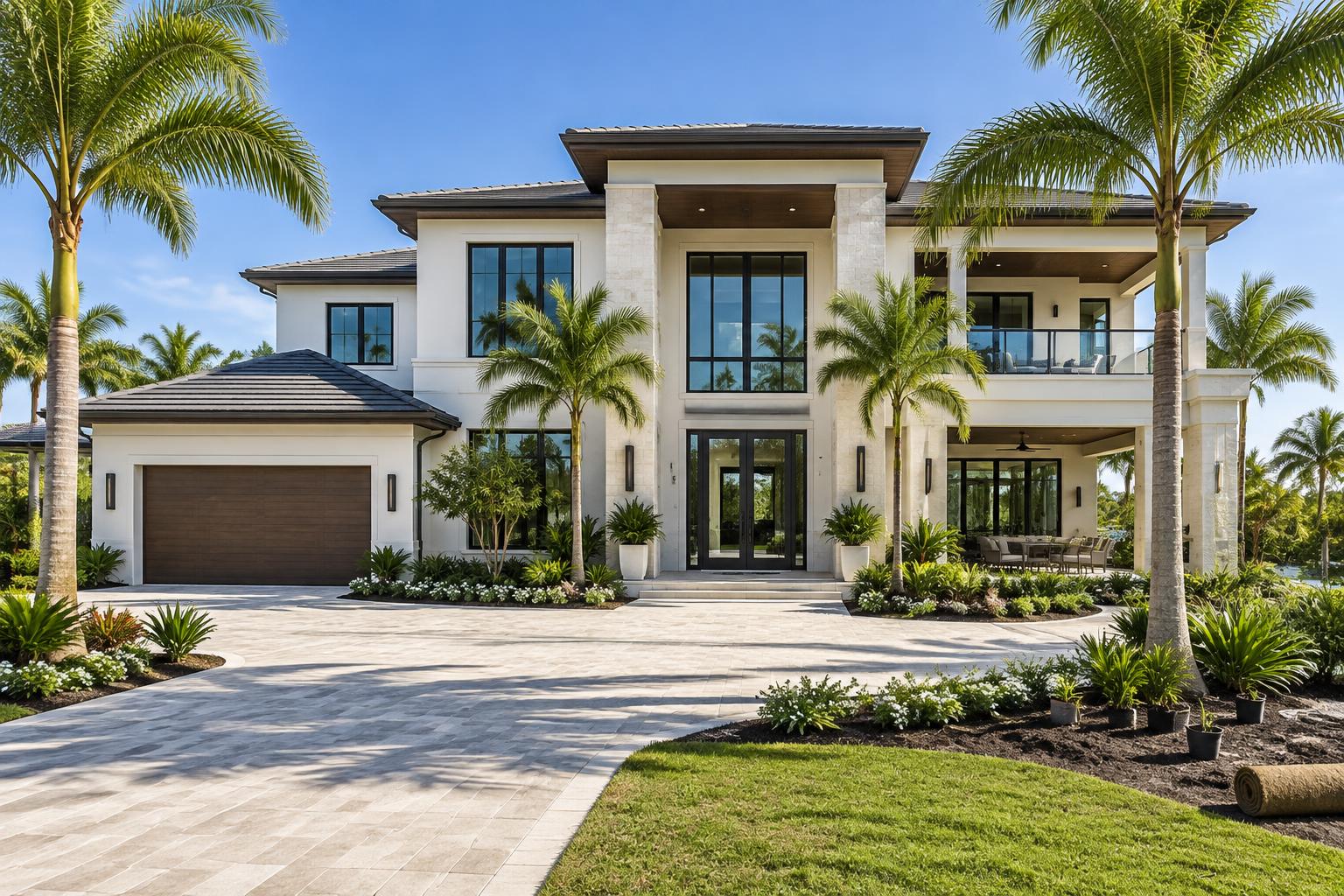
An investor finds a Florida lot that appears suitable for a new spec home. The acquisition price fits the initial model, and a contractor can start once the plans are ready. Before signing, however, the investor needs to answer a less visible question: will the available capital cover the project from purchase through the eventual sale, including the periods when work is progressing but loan funds have not yet arrived?
This guide explains how to approach that question. It focuses on business-purpose construction financing for investors, builders and developers, not owner-occupied home construction mortgages. For A4’s commercial program information, visit Construction Loans in Florida. Here, the emphasis is on preparing a financeable project and managing the funding once construction begins.
Understanding Construction Loans in Florida
A construction loan finances the development of a property, with construction proceeds generally released in stages under an agreed budget and funding process. Unlike a mortgage on a completed building, it requires the lender to evaluate work that has not yet been finished.
The financing links three moving parts: the approved scope, the money available to complete it and the repayment strategy. Plans, contractor capacity and timing matter alongside collateral value. A loan commitment is not the same as cash immediately available to pay every construction invoice.
What Types of Construction Projects Can Investors Finance?
Investment construction financing may support ground-up single-family homes, spec homes built without a committed buyer, luxury residential developments and teardown-and-rebuild projects. Each needs a budget and an exit supported by evidence for the proposed finished property.
Multifamily developments and other real estate categories may require different lenders, structures and operating analyses. A rental development depends on leasing and longer-term financing, while a for-sale home depends on net sale proceeds. Confirm the lender’s asset-type fit rather than assuming every construction program covers every project.
For high-specification residential investments, luxury new construction financing provides a relevant A4 program reference. Luxury finishes still need commercial justification; additional expenditure does not automatically create equivalent finished value.
How to Finance a New Construction Project in Florida
Arrange financing around a tested development plan, not around the largest advertised loan. Use these eight steps to connect site selection, project costs and funding.
- Identify the investment opportunity. Define what you intend to build and whether you will sell or hold it. Investigate comparable completed properties or rental evidence before setting the acquisition price.
- Evaluate land and feasibility. Confirm site control, access, usable building area, utilities and approval status with qualified professionals. Record unresolved issues and what would cause you to abandon or redesign the project.
- Prepare a complete budget. Separate acquisition, hard costs, soft costs, contingency and carrying expenses. Hard costs cover physical work; soft costs include items such as design and professional services. Identify quotes, allowances and exclusions.
- Build a realistic timeline. Connect design decisions, permits, procurement, inspections and trade sequencing. Include time after physical completion for the intended sale or refinancing, not just the contractor’s build period.
- Compare suitable funding options. Evaluate bank, private or other appropriate construction lenders against the project’s scope and readiness. A4’s new construction financing page is one verified program resource, not a promise of approval.
- Submit a coherent financing package. Keep the project summary, budget, plans and schedule consistent. Explain the sponsor’s relevant experience and identify the capital available for equity, reserves and funding gaps.
- Review the proposed agreement. Confirm eligible costs, required equity, interest calculation, fees, reserves, draw conditions and maturity. Compare total expected cost under both the planned schedule and a delay scenario.
- Manage funding through completion. Coordinate draw requests with contractor billing and maintain a current forecast cost to finish. Escalate changes while there is still time to address their funding consequences.
What Do Lenders Consider Before Approving Construction Financing?
Lenders evaluate whether the sponsor and project can support completion and repayment. Criteria vary by lender and program; the following are common review areas rather than A4-specific eligibility rules.
- Sponsor and team: relevant completed projects, contractor credentials, insurance and capacity to execute the proposed scope.
- Site and valuation: ownership or acquisition arrangements, development feasibility and support for projected after-completion value.
- Budget and capital: reliable cost estimates, contingency, borrower equity and liquidity available beyond the initial contribution.
- Repayment: a credible sale or refinance plan, supporting evidence and financial documentation appropriate to the request.
Ask how loan-to-cost and value-based limits are calculated, which costs are eligible and how existing land equity is recognized. A higher completed-value estimate does not necessarily solve a shortage of cash or an incomplete construction budget.
Understanding Construction Loan Draw Schedules
A construction loan draw schedule sets out how funds can be requested and released during the build. It may follow budget categories, progress milestones or another agreed method. Inspections help a lender verify eligible progress; they do not replace the developer’s responsibility for construction quality and contractor oversight.
In a hypothetical single-family build, requests might cover site preparation and foundation, framing and enclosure, building systems, then finishes and completion. These are illustrative stages, not standard funding percentages or a required A4 schedule.
Before signing contractor payment terms, ask what happens with deposits, stored materials, completed work, invoices and any holdback. Confirm who orders inspections and what makes a request complete. Municipal inspections and lender progress checks may serve different purposes; determine the actual documentation required for each.
For example, a supplier may require a deposit before delivery while the lender’s agreed process funds only verified installed work. That gap needs identified working capital. Map payment dates and expected disbursements on a cash-flow forecast rather than assuming a loan approval eliminates interim funding needs.
Common Challenges When Financing a Construction Project in Florida
Construction project funding becomes difficult when the budget, schedule and cash position stop describing the same project. Watch for these practical exposures:
- Underestimated costs: compare trade exclusions and quote validity, not just headline prices. An allowance is not a committed contract.
- Permitting and zoning: establish the responsible authority and unresolved approvals. A submitted application is not permission to begin work.
- Trade coordination: identify dependencies, procurement responsibilities and decision deadlines before another contractor is left waiting.
- Insurance and weather: obtain project-specific coverage advice and plan site protection and interruption responses. Do not apply a single weather or insurance assumption to every Florida parcel.
- Draw delays and exit uncertainty: maintain cash for incomplete requests, inspection coordination and the period between completion and repayment.
If a change adds cost, show its effect on both the remaining budget and schedule. Contingency cannot simultaneously fund a construction overrun and months of additional carrying expenses unless the available capital actually covers both.
How to Prepare for a Construction Loan Application
A useful application lets the reviewer trace the project from site control to repayment. Prepare:
- A project overview stating property type, business purpose and proposed exit.
- Land or property details, purchase contract or ownership evidence, and approval status.
- Construction plans, specifications and an itemized budget with contingency.
- Contractor information, scope responsibilities and a development timeline.
- Borrower and entity information, financial records and evidence of available capital.
- Relevant project experience and support for the finished value or rental strategy.
Lenders may request additional documents. Resolve contradictory versions before submission: a budget priced for one design and an appraisal based on another create avoidable uncertainty.
Construction Financing Across Florida: Miami-Dade, Sarasota and Collier Counties
County names help organize research, but the parcel, jurisdiction and intended finished property determine the financing analysis. These three markets call for different questions, not interchangeable assumptions about appreciation or development returns.
Construction Financing Opportunities in Miami-Dade County
For a Miami-area proposal, distinguish a single-family infill build from a denser residential redevelopment before approaching lenders. Unit count, access, demolition and contractor staging can change the scope and cash requirements. Investigate what the actual site permits rather than equating an attractive location with buildable capacity.
Miami-Dade’s building resources include a county-municipal approval process for certain permits within municipalities. Use the official county building resources to identify relevant reviews with your project advisers. Reflect unresolved dependencies in acquisition conditions and the financing schedule instead of assuming one approval resolves everything.
Real Estate Development and Construction Financing in Sarasota County
For a Sarasota-area residential investment, test the proposed product at the neighborhood level. Compare a replacement home, a new inland build and a property with coastal attributes using genuinely relevant finished-property evidence. Examine competing supply and likely buyer requirements without importing demand assumptions from Miami.
The county’s Planning and Development Services department includes building, environmental protection, and planning and zoning functions. Identify which authority and reviews apply to the parcel. For a luxury spec home, finalize major finish selections early enough that contractor pricing and procurement dates describe the home you intend to sell.
Construction Loan Considerations in Collier County
For a Naples-area luxury investment, assess whether the proposed scale and specifications are supported by comparable finished properties. Separate evidence for waterfront, coastal and inland locations instead of assigning the same valuation basis to every Collier County project. Price land acquisition against the complete development plan, not simply the prestige of an address.
Collier County provides permitting resources covering permit history, inspections and application support. Check existing conditions and applicable jurisdiction with local professionals before setting funding milestones. A large custom scope needs a matching contractor and procurement plan; a higher projected sale price alone does not fund work between draws.
Choosing the Right Construction Financing Partner in Florida
Choose a partner whose financing structure can work with your project’s actual execution. Ask who handles underwriting, draw administration and ongoing communication. Obtain clear explanations of eligible costs, funding conditions, fees and the process for changes or an extended schedule.
A4 Capital Partners is a potential resource for experienced investors and developers considering suitable business-purpose residential projects. Its published Florida page identifies luxury residential targeting in Miami-Dade, Sarasota and Collier counties. Suitability and final financing depend on project review; this guide does not establish approval or imply support for every development category.
Planning a new construction project in Florida? Explore construction financing options for Florida investors with A4 Capital Partners. Bring the site, scope, budget, cash-flow needs and exit into the same conversation. Those details make a financing comparison more useful than a rate viewed in isolation.
Frequently Asked Questions About Construction Loans in Florida
What is a construction loan in Florida?
A construction loan funds the development of a property, usually through staged disbursements rather than a single payment for the entire build. For real estate investors, the financing supports a business-purpose project intended for sale or investment ownership. Eligible costs, repayment terms and borrower requirements depend on the lender and project.
How do real estate investors finance new construction projects in Florida?
Investors generally combine borrower equity with construction debt arranged around a documented budget and exit strategy. They establish site control, investigate feasibility and compare financing proposals before committing to construction. The practical challenge is funding both the approved project costs and the cash needed between contractor payments and lender disbursements.
What do lenders look for when approving construction loans?
Lenders commonly assess the sponsor, contractor, site, budget, projected completed value and repayment plan together. Available capital and relevant development experience help demonstrate execution capacity. Construction loan requirements differ by lender; an attractive appraisal alone does not establish that the borrower can finish the project or that approval will follow.
Can investors finance ground-up construction projects?
Ground-up construction loans can finance eligible investment developments, subject to underwriting. Investors should identify the proposed property type, site readiness, contractor and intended exit before selecting a program. A lender that finances single-family spec homes does not necessarily offer the same financing for larger multifamily developments or every other real estate category.
How does a construction loan draw schedule work?
A draw schedule links disbursements to an approved budget and agreed funding conditions. Borrowers request funds with the required evidence, which may include invoices, progress verification and inspections. The lender reviews the request before releasing eligible proceeds. Timing, deposits, reimbursements and any funds withheld until completion depend on the loan agreement.
Can construction financing include land acquisition?
Some construction financing structures include an eligible land acquisition component; others require the investor to acquire or control the site separately. Ask how the purchase price, existing land equity and acquisition funding are treated. Land ownership does not guarantee construction approval, and a separate acquisition loan does not guarantee later development financing.
What happens if a construction project goes over budget?
A cost overrun does not automatically increase the loan commitment. The borrower should update the forecast cost to finish, identify available contingency and discuss any material change with the lender promptly. Additional equity, an approved scope adjustment or another agreed solution may be necessary. Do not assume remaining loan proceeds can cover unapproved work.
How do investors repay construction loans?
Investors generally plan repayment through a property sale or a refinance into suitable longer-term financing. Sale proceeds must cover the debt and transaction expenses; refinancing depends on future underwriting and the property’s condition and income where relevant. Neither exit is guaranteed, so include time and capital for a less favorable completion or marketing outcome.