
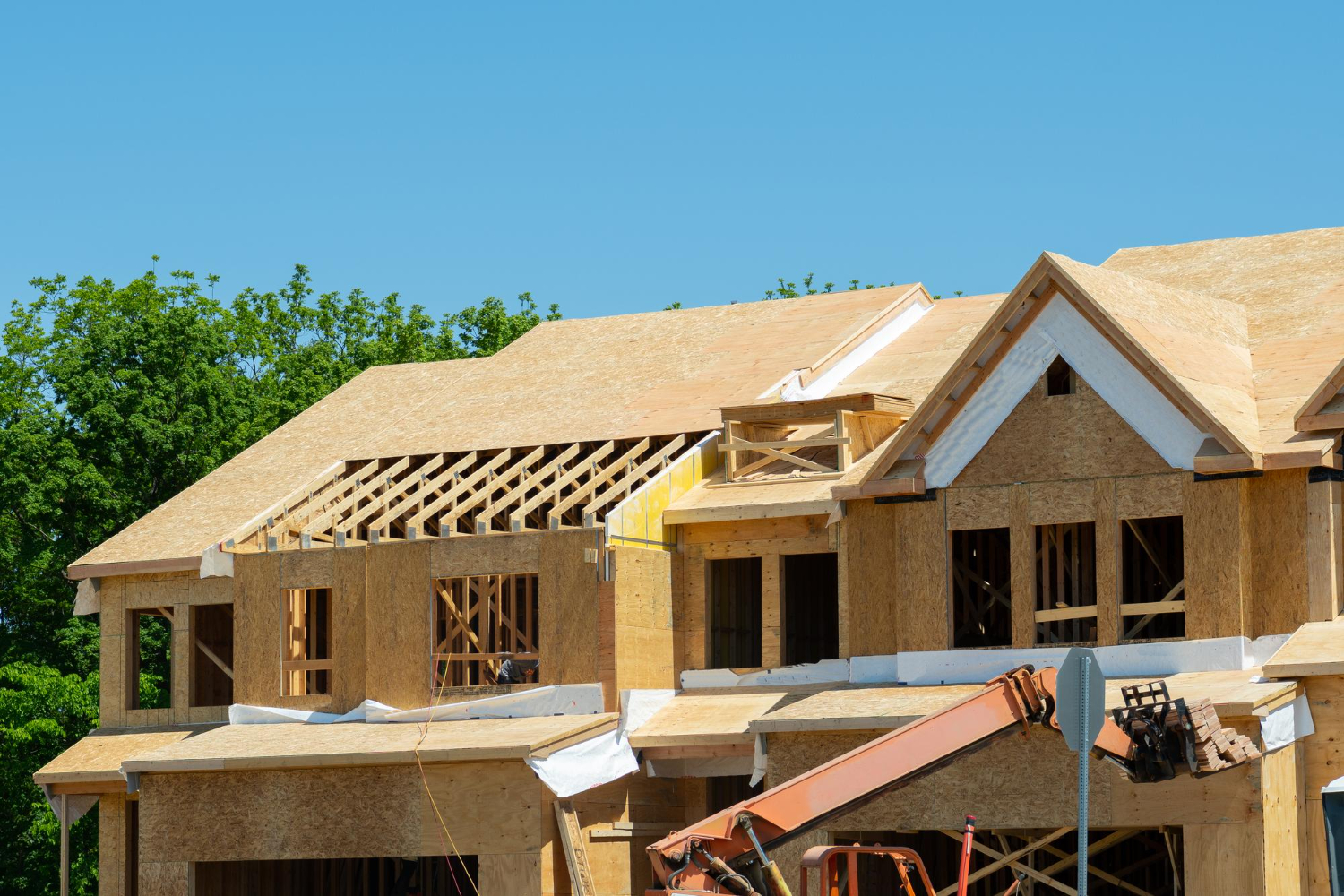
Construction Loans in New York for Ground-Up and Luxury Projects
A New York teardown purchase has two investment decisions embedded in one transaction: the price of the existing property and the feasibility of the replacement home. A4 Capital Partners reviews business-purpose construction loans for experienced investors and builders who can explain both. Luxury spec development, ground-up residential construction and investment-focused rebuilds are central financing scenarios.
The proposal should identify the municipality, planned asset and commercial exit. Long Island, Westchester County and New York City projects cannot be valued as one market, and investor construction financing is not a consumer mortgage for a personally occupied home.
Apply NowOur Track Record Of Success
From land acquisition to luxury construction on Long Island
Nassau County requests in Great Neck, Manhasset, Roslyn, Old Westbury and Garden City should start with the purchase basis and intended replacement product. Separate demolition, site preparation and the house contract. If the acquisition already includes plans or approvals, document what transfers with the property and what remains outstanding.
Suffolk County calls for another distinction: Huntington, Northport and Smithtown should not borrow resale assumptions from Southampton or East Hampton. A Hamptons investment build needs finished-home evidence and a carrying plan suitable for the actual location. Luxury specifications must be supported by the proposed buyer and comparable homes, not simply by a higher construction budget.
Preparing a luxury construction proposal in Westchester County
For Rye, Scarsdale, Harrison, Bedford, Chappaqua and Bronxville, identify the specific town and the status of the replacement-home proposal. Submit plans, contractor pricing and the remaining approval steps together. A statement that the parcel is in Westchester County does not explain whether the intended structure is ready to proceed.
Show the relationship between home size, lot setting and finished value. The budget should capture existing debt or purchase obligations as well as demolition and construction. Discuss financing a Westchester luxury construction project when a focused county-level review is useful.
Matching Queens and Hudson Valley construction to the intended asset
The broader New York investment footprint includes Queens and the Queens-to-Montauk corridor. New York City requests should state the actual use and unit configuration rather than adopt a suburban single-family narrative. For an urban redevelopment, identify how the approvals and completed asset support sale or investment refinancing.
Rockland County’s Nyack, Piermont, New City and Blauvelt are selective construction markets. Putnam, Dutchess and Orange remain opportunistic Hudson Valley markets rather than the primary luxury construction focus. For those requests, explain the project fit independently; a regional name does not establish the same pricing or development strategy as Nassau or Westchester.
Do not disguise a rebuild as a renovation
A retained structure, a full teardown and a partly completed replacement home present different risks. Describe what remains, what will be removed and what must be built. For a completion refinance, reconcile completed work, unpaid invoices, remaining contracts and the payoff of existing financing.
Where the investment relies on improving the existing home rather than starting over, compare purchase-and-rehab funding for New York investors with the construction approach. The scope should determine the program discussion; a renovation label should not conceal demolition or structural replacement.
Tie the commitment to a workable sale or refinance
Prepare a sources-and-uses schedule that includes land, hard costs, professional fees, contingency and carrying reserves. Ask which costs are eligible, when inspections occur and how draw releases line up with contractor payments. Borrower equity and liquidity are related but not identical: contributed land does not pay a subcontractor invoice.
For a spec-home sale, use relevant completed transactions and account for marketing and selling costs. For an investment refinance, identify the intended asset use and future financing assumptions. Explore ground-up construction lending at A4 before submitting the address, approvals and execution plan for underwriting.
New York luxury construction markets and project locations
Nassau County: Great Neck, Manhasset, Roslyn, Old Westbury, Garden City.
Suffolk County: Huntington, Northport, Smithtown, Southampton, East Hampton.
Westchester County: Rye, Scarsdale, Harrison, Bedford, Chappaqua, Bronxville.
Rockland County: Nyack, Piermont, New City, Blauvelt.
Construction Loan Terms
Final terms depend on the site, proposed construction, leverage, sponsor and complete underwriting. Maximum leverage is not a promise of approval.
Loan Rates starting at
8.5%+
Loan to Cost up to
Up to 85%
Loan Size
$1M – $12MM
Submit your New York construction proposal
- 1
- 2
- 3
- 4
- 5
- 6
A4 Lending Areas
New York construction loan planning questions
Apply NowLuxury Construction & Renovation Financing in New York for Ground-Up and Luxury Projects
Luxury New Construction Loans
Ground-up spec homes, custom investment builds and teardown/rebuilds in New York for Ground-Up and Luxury Projects, with draw-based construction funding up to 85% LTC.
Luxury Renovation Loans
Purchase and renovation capital for high-end home transformations and estate repositioning projects in New York for Ground-Up and Luxury Projects.